
Landscape · Design–Build
Front yard landscaping, Peninsula & South Bay
Curb-appeal front yards: driveway, walkway, turf, planting and lighting as one coordinated build.
CA Lic #1099847
/
$2M GL · $5M umbrella
/
On-time guarantee
/
BBB A+
Planning ballpark
From $25,000
by scope. Front yards are often the value end.
Project minimum
$25,000
Completion date
In writing
Verified reviews
80 review listings and recommendations across six platforms as of 2026-08-30
Six systems that make a frontage work.
A front yard has to carry a car, walk a visitor to the door, put the water somewhere legal and still look like it belongs to the house. Those four jobs decide the plan before anybody picks a paver color.
 Arrival
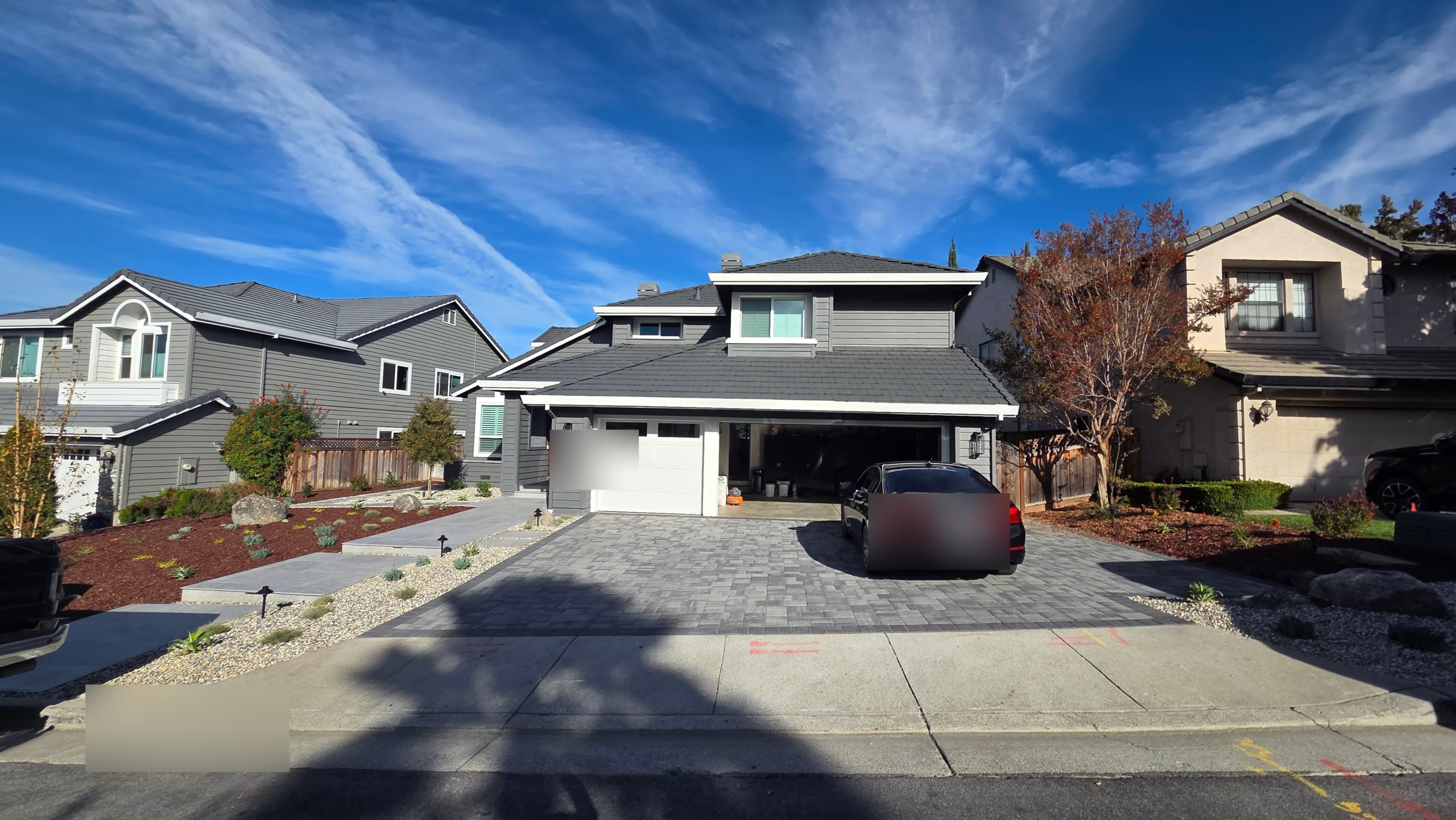
Driveway & motor court
The largest single surface in most front yards and the one that has to carry a car. A vehicular paver section is a deeper build than a patio: more base, compacted in lifts, with the pattern and border set out from the garage door and the street approach rather than from whichever corner is easiest to start in.
 Entry
EntryWalkway, steps and landing
The route from the street or the driveway to the door. Wide enough for two people side by side, which in practice means 48 inches minimum, with the risers even, the landing sized so the door can open over it, and the falls running water off the path rather than down it.
 Groundwork
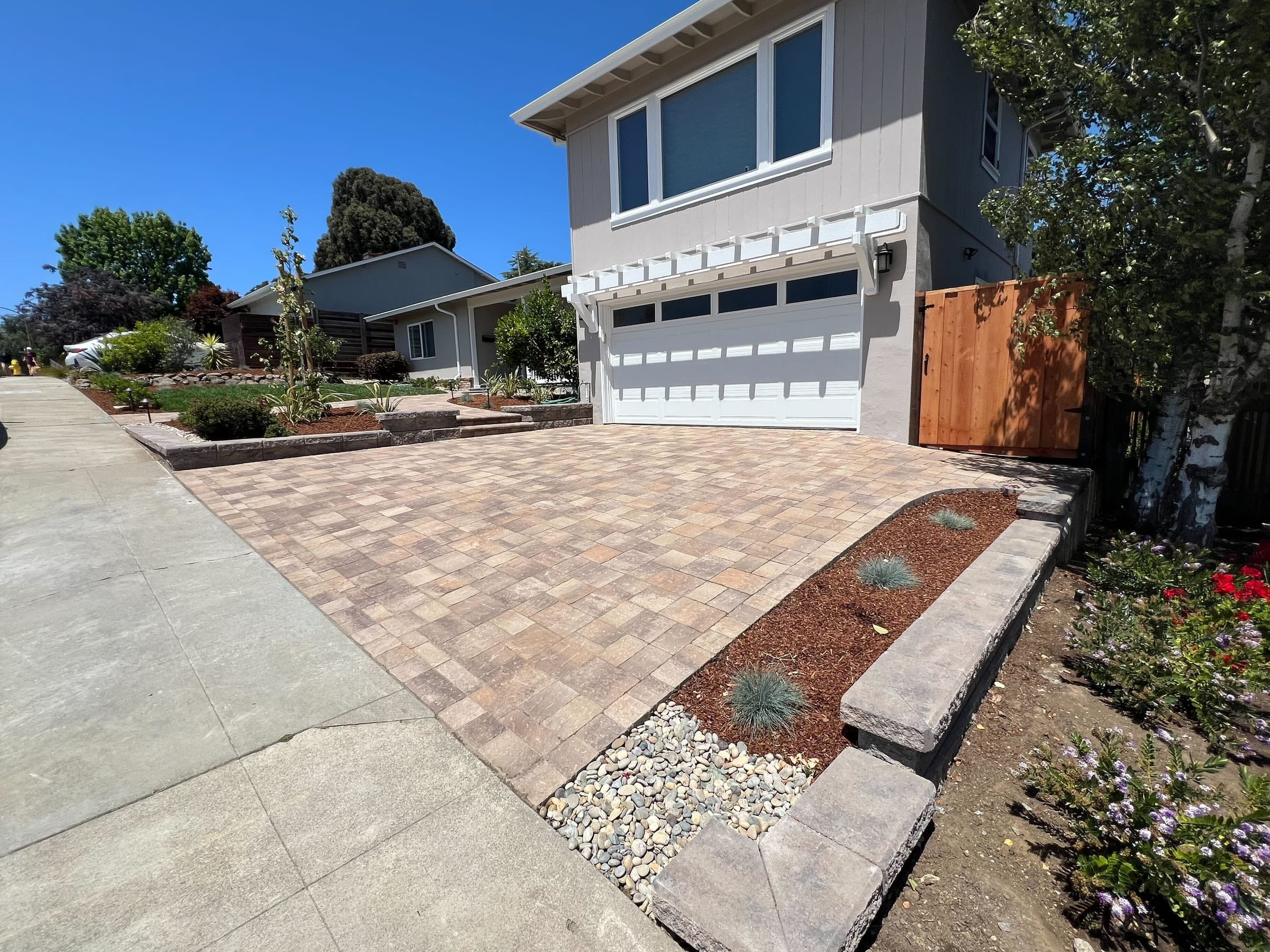
Grading, drainage and walls
Front yards drain toward the street, and a new driveway changes where the water goes. Grades, drain lines and the discharge point come first. Where the lot steps down to the sidewalk, a low wall or a terrace holds it, and only the walls that retain real load need engineering: a decorative garden wall does not, and we will tell you which one yours is.
 Planting
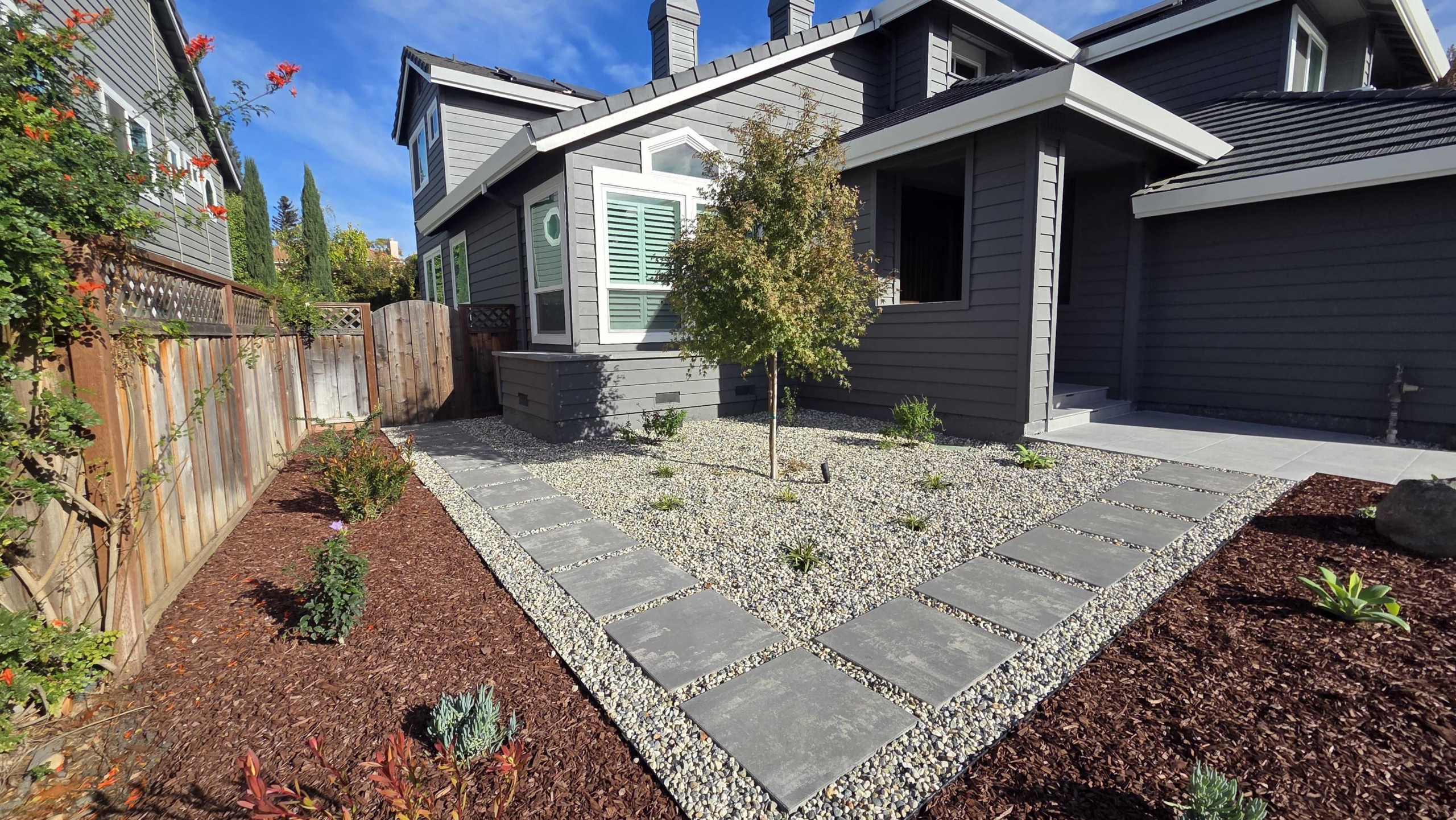
Beds, trees and irrigation
Planting frames the house rather than hiding it, which mostly means keeping the mass low near the windows and the height at the corners. Species get chosen for the exposure and the mature size, not the nursery label, and the irrigation is zoned to what it is actually watering.
 Surfaces
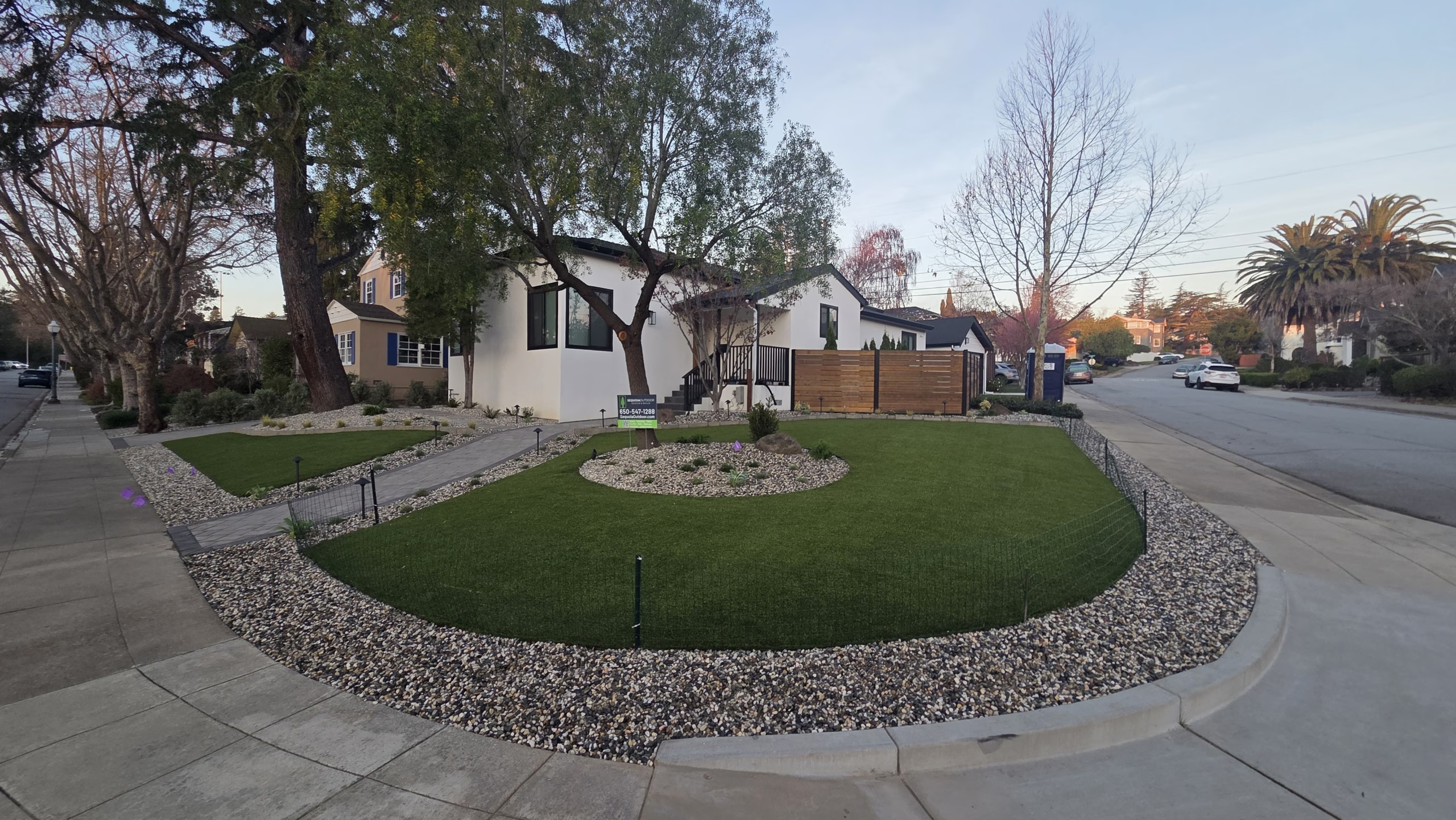
Lawn, turf and low-water ground
Artificial turf, decorative rock, decomposed granite, groundcover or a real lawn, usually in combination. Which one goes where is decided by the sun, the slope, the traffic and how much of the frontage the water ordinance will let you plant in thirsty material.
 Lighting
Path, step and uplighting
The front of the house is seen after dark more often than most owners expect. Brass fixtures at the changes in level, uplighting on the specimen trees and the house elevation, and the conduit run during the base stage so nothing gets trenched back up through a finished driveway.
What changes the cost of a front yard?
Front yards are usually the value end of our work, because the dump container and the material sit at the curb instead of going through a gate by wheelbarrow. What still moves the number is how much of the frontage is driveway, and what the ground is doing underneath it.
How much of it is driveway
The driveway is usually the biggest surface and the most expensive per foot, because a vehicular section is a deeper build than a walkway. Paver driveways start around $30 per square foot installed. Walkways and entries start around $37 per square foot: smaller areas cost more per foot because mobilization, cuts and borders spread over less of it.
What is already there
Old concrete, asphalt, a failed paver field, tree roots under the route, unsuitable subgrade. Removal is a haul-off cost per yard before a single new material arrives, and reinforced concrete is slower and heavier than anyone expects.
How far the frontage falls
A flat lot needs base and compaction. A lot that steps down to the sidewalk needs walls, stairs or terracing first. Retaining is priced by height, length and what sits above it, and doubling a wall’s height more than doubles what it costs.
Where the water goes once it cannot soak in
Replacing lawn with paving changes the runoff, and the front of the house is where that becomes the city’s problem as well as yours. Grading, drain lines, permeable sections and a legal discharge point get designed before the surfaces, not after.
Quantity, size and irrigation
Plant count, container size, soil preparation and how many irrigation zones the layout needs. Artificial turf starts around $17 per square foot. A few large specimens cost more than many small ones and read better immediately, which is a real trade rather than an upsell.
Fixture count, not fixture price
Low-voltage lighting systems start around $4,000 installed, and the fixture count is set by the changes in level and the trees worth lighting rather than by the size of the yard. Conduit goes in during the base stage; adding it afterwards means lifting finished paving.
The street is not entirely yours
A driveway approach, any work in or near the public right of way, walls above a certain height, significant grading and protected street trees can each pull in a permit or a review, and several Peninsula towns protect trees at a specific trunk circumference. We identify which apply to your address during design. The detail town by town is in our Peninsula permits and HOA playbook.
These are planning ranges from completed local builds, not a quote. Your proposal itemizes every line at your address.
Real, as-sold pricing
What a front yard really costs here.
A front yard is usually a remove-and-replace with easy access and our dump containers and material right there, so it is often the value end of our work. Real ranges are on the map below.
Driveway (paver field)
Installed, all-in
From $30 / sq ft
Walkway / entry
Small-area premium
From $37 / sq ft
Turf & planting
Plus planting and DG
turf from $17 / sq ft
Front yards combine driveway, walkway, turf, planting and lighting, priced as one coordinated scope.
What's included
Demo and haul-off
Driveway and/or walkway pavers
Artificial turf or lawn
Planting and irrigation
Lighting
Common add-ons, itemized
Driveway pavers · from $30/sq ft
Artificial turf · from $17/sq ft
Landscape lighting · systems from $4,000
Retaining wall · from $4,500 as a wall-and-steps scope
Published project ranges
Published ranges from nearby projects.
Every pin is a completed Sequoia build. Where a range is shown it is rounded from that project’s signed proposal, not a verified final expenditure. Map pins show an approximate neighborhood.
Atherton
Planting, Pavers & Walls
$96K–106KAll-in range
Where the investment went
80 review listings and recommendations across six platforms as of 2026-08-30. Browse our separate published review archive.
Nearby projects of this kind
-
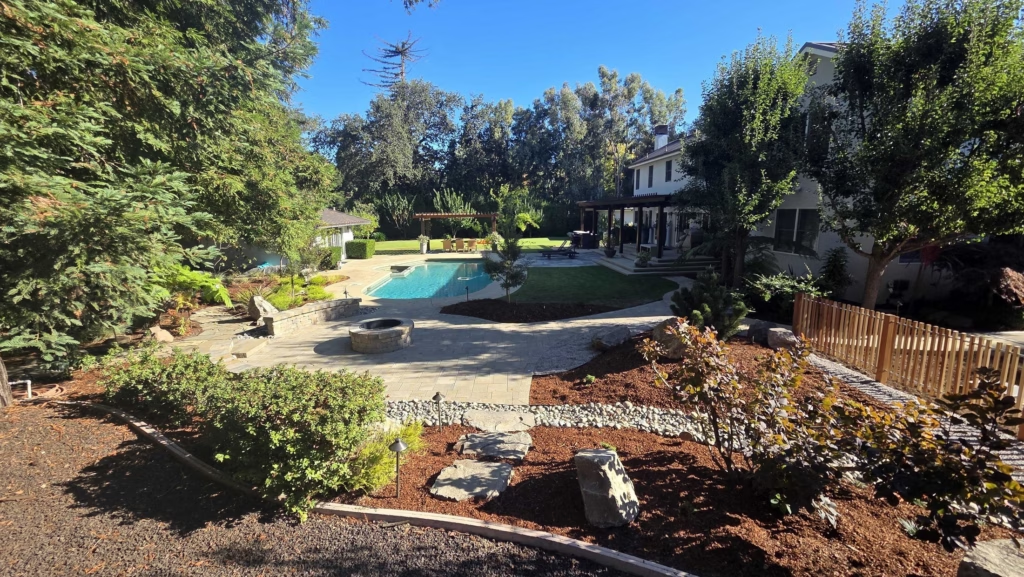
Fire Pit Terrace, Cobble Rock Channel and Sport-Court Surround in Atherton
-
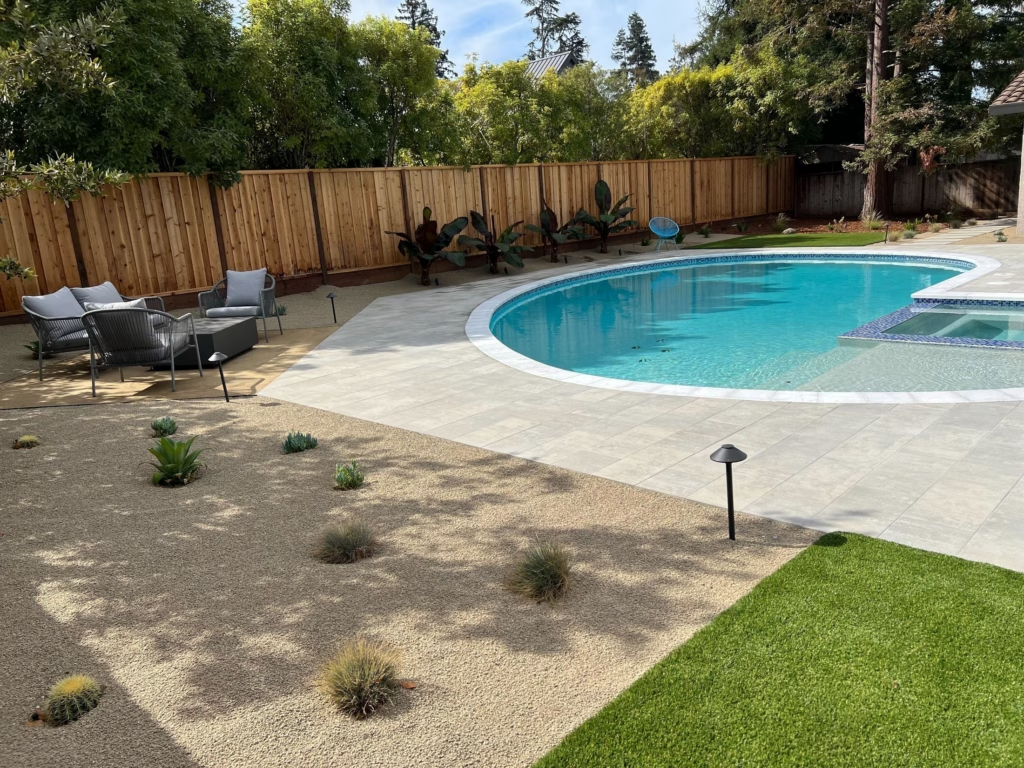
Belgard Pool Deck, Turf Lawn and Drought-Friendly Planting in Los Altos
-
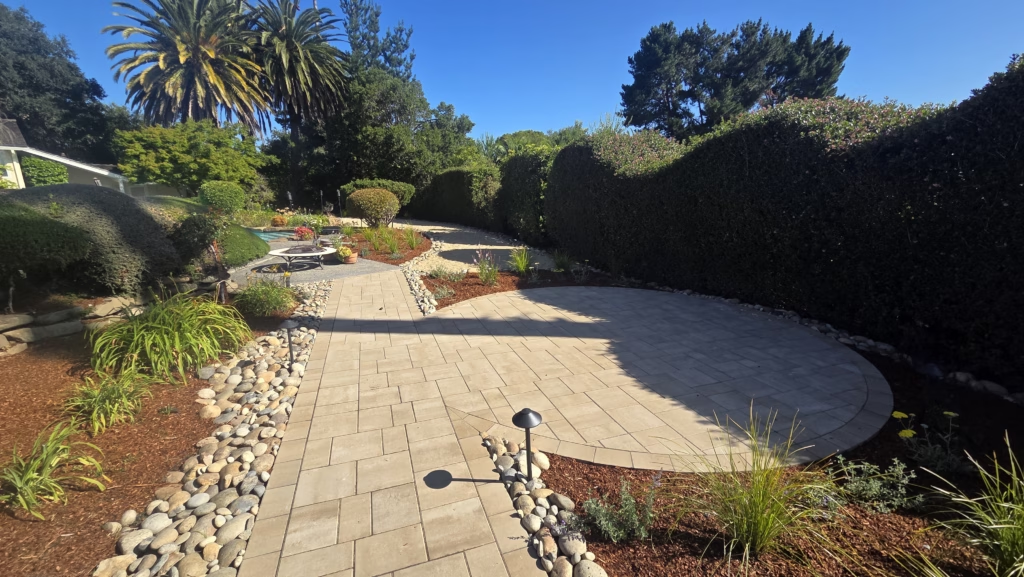
Paver Terrace, Pet Turf Dog Run and DG Courtyard in Los Altos Hills
-
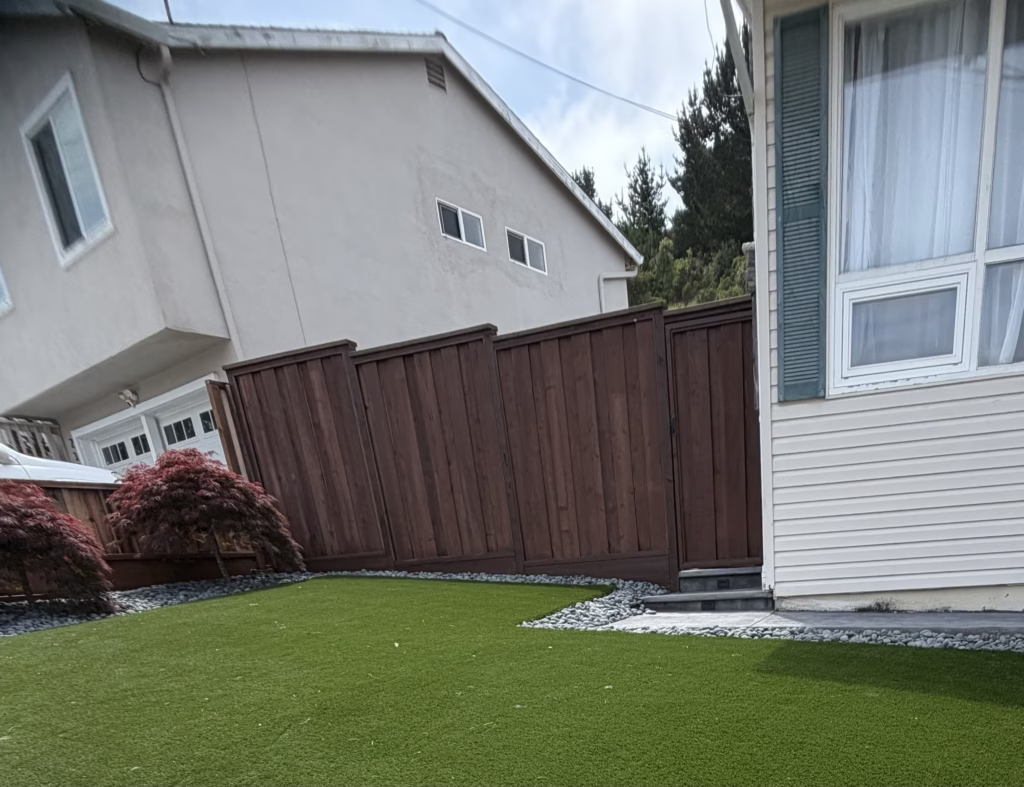
Finished Turf Yard in San Bruno
-
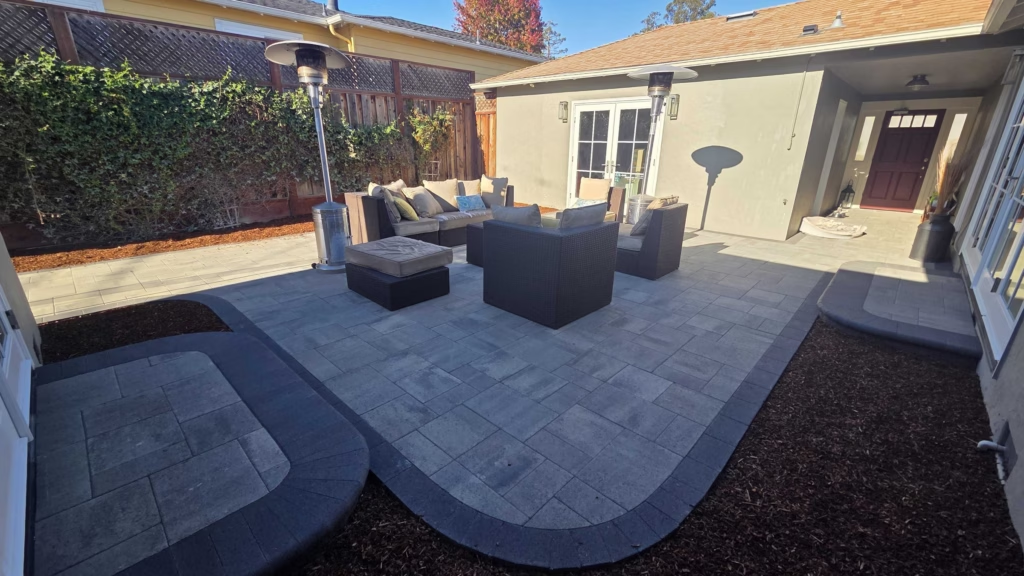
Curved Paver Patio and Side Walkway in San Mateo
-
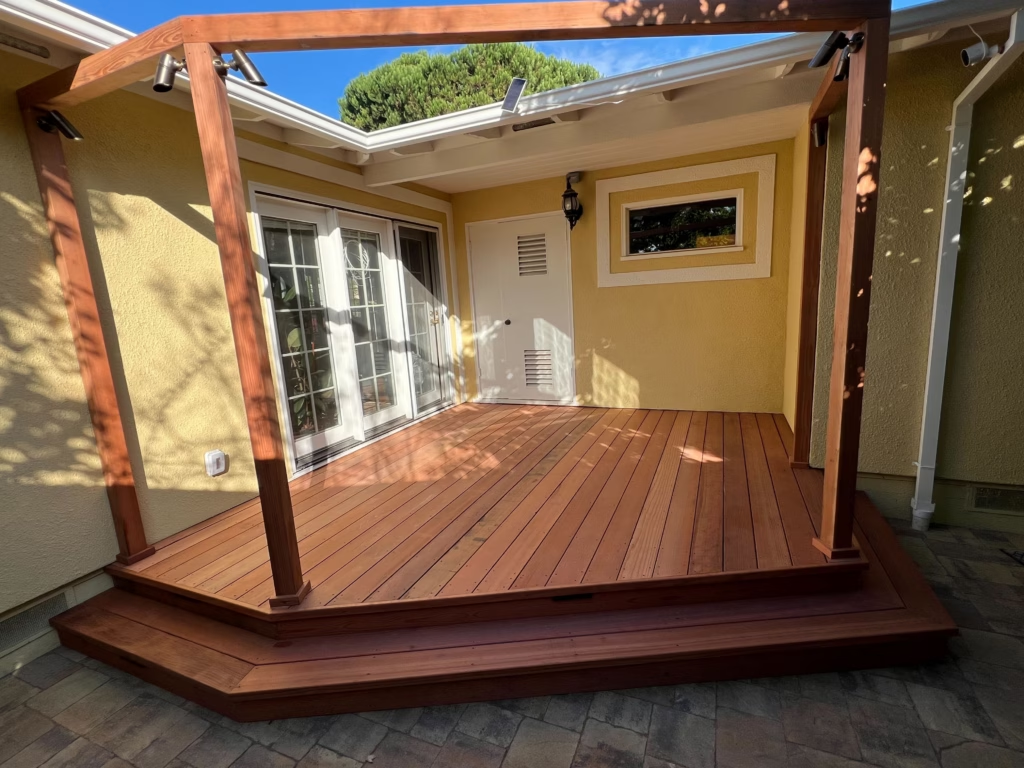
Deck and Pergola in San Mateo
-
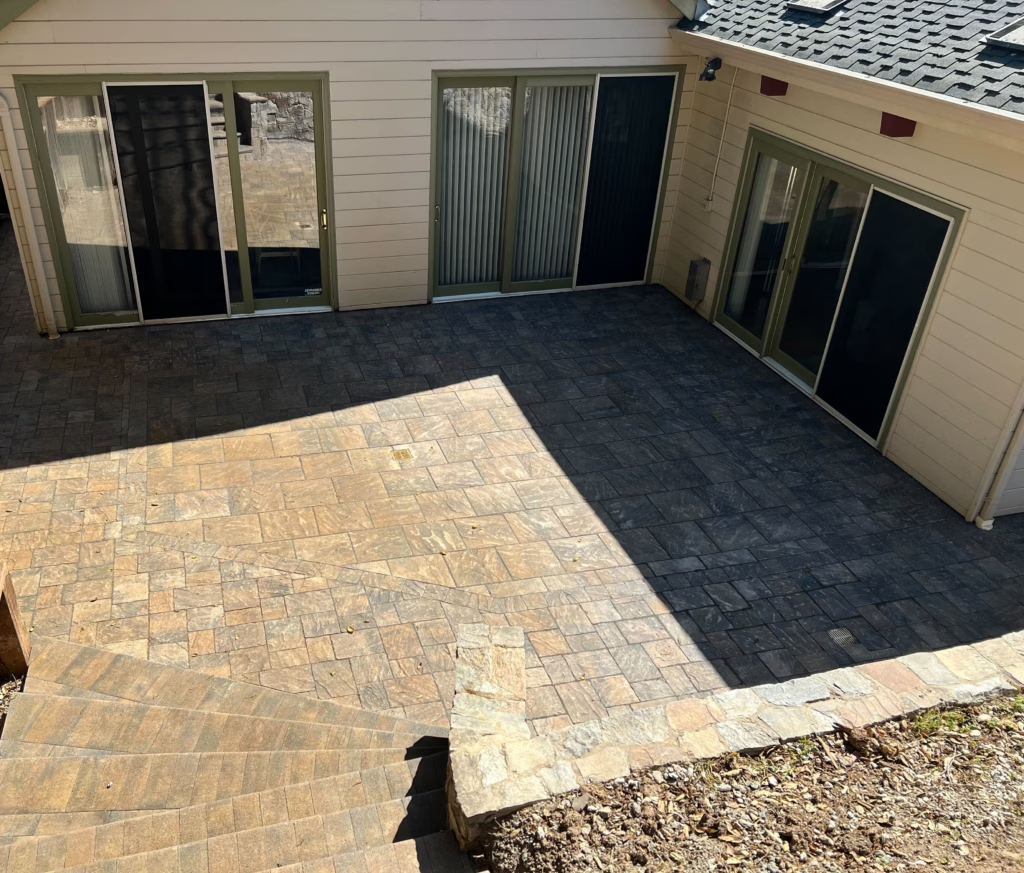
Paver Patio, Steps, and Stone Wall in San Carlos
-
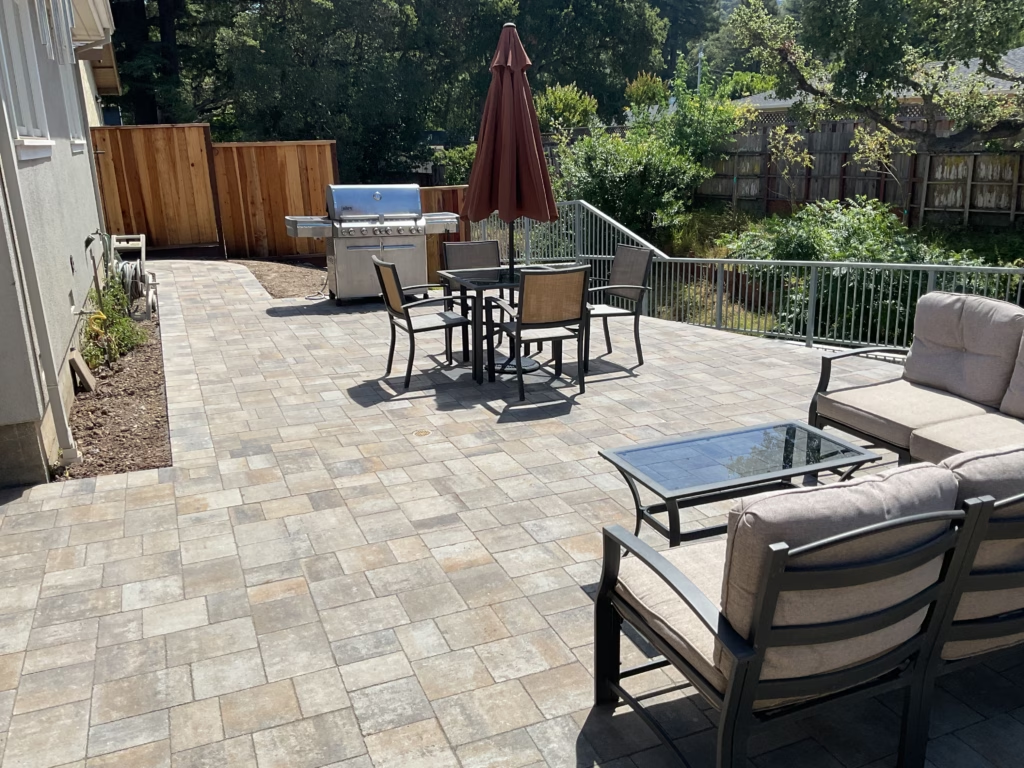
Paver Patio and Raised Garden Beds in Belmont
-
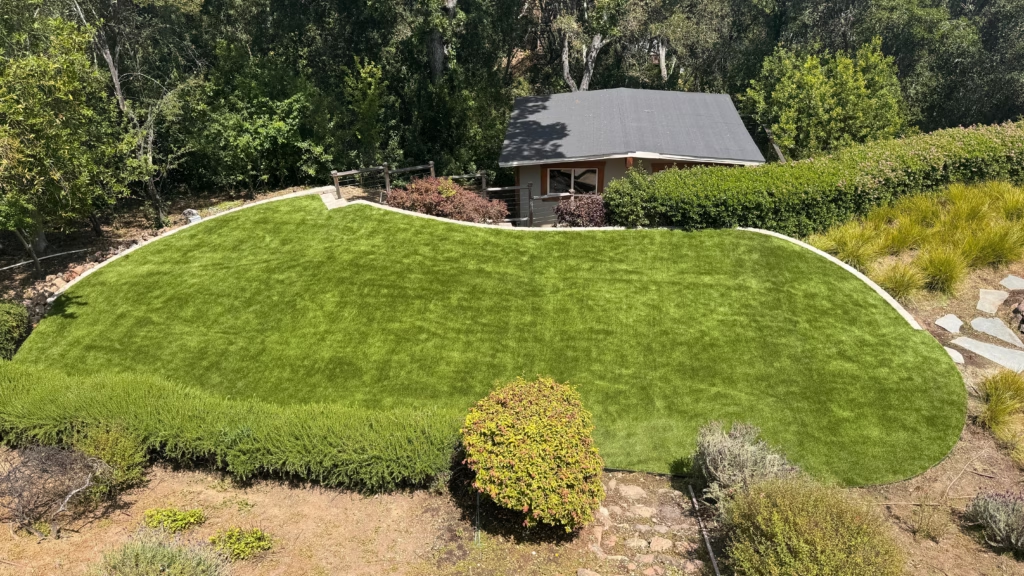
Curved Hillside Turf and Stone Walls in Woodside Glens
-
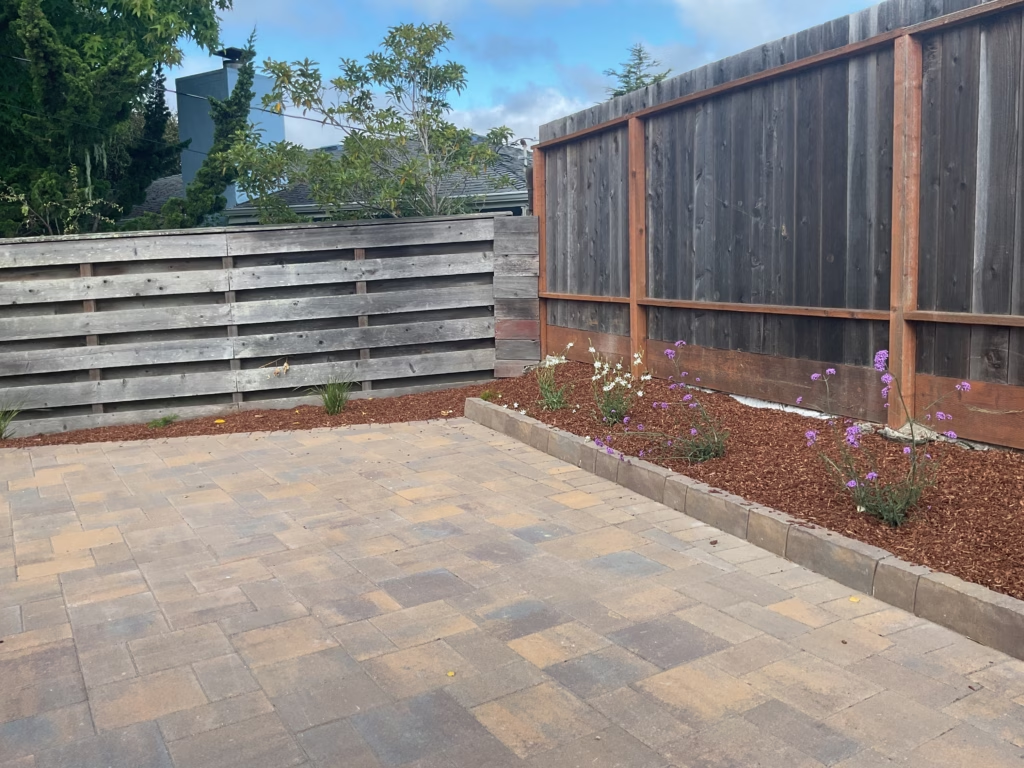
Paver Patio with Mulch Planters in Millbrae
-
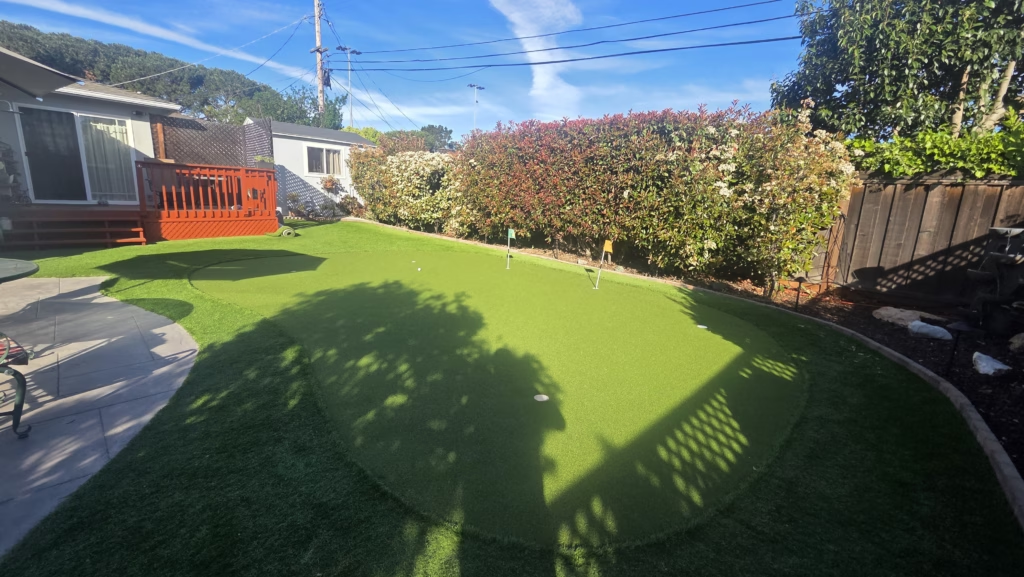
Putting Green and Patio in San Mateo's Beresford Park
-
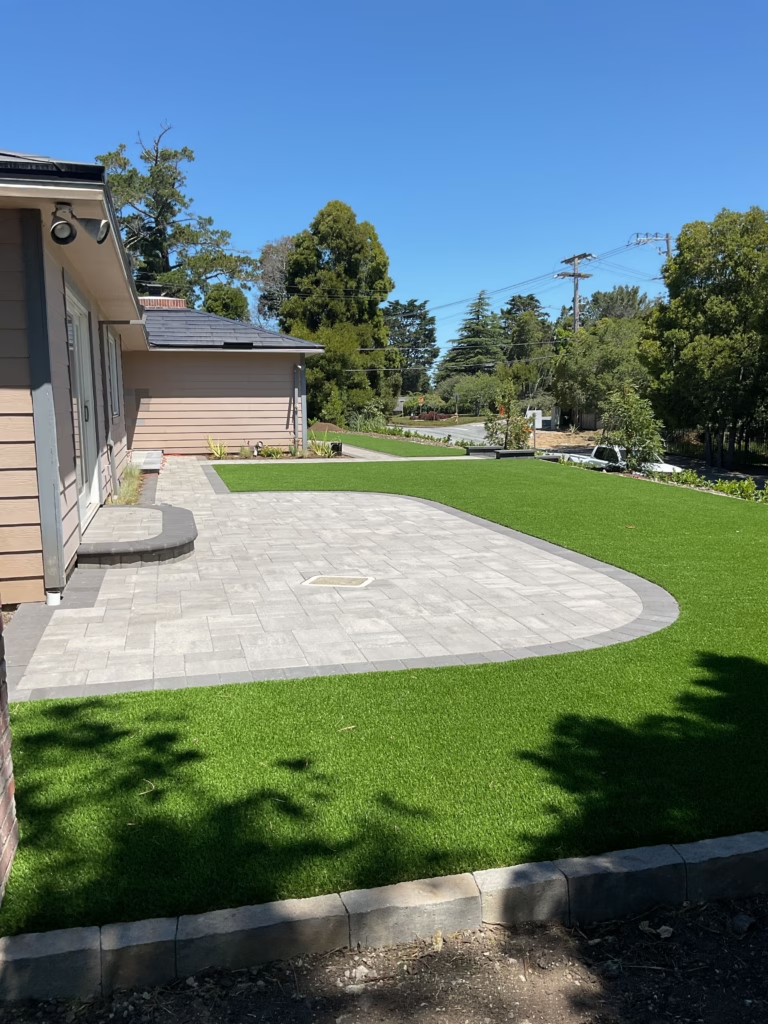
Landscape project in Hillsborough
Recent Peninsula & South Bay projects.
-
Fire Pit Terrace, Cobble Rock Channel and Sport-Court Surround in Atherton
-
Belgard Pool Deck, Turf Lawn and Drought-Friendly Planting in Los Altos
-
Paver Terrace, Pet Turf Dog Run and DG Courtyard in Los Altos Hills
-
Finished Turf Yard in San Bruno
-
Curved Paver Patio and Side Walkway in San Mateo
-
Deck and Pergola in San Mateo
How it gets built
One accountable team, start to sign-off.
01
Project-fit consult
We walk your property, confirm scope and budget fit, and make sure we are the right team.
02
Design & fixed date
Scaled plan, material selections, and your completion date set in writing.
03
Build & live tracker
Our project manager runs the build, documented layer by layer in your portal with daily updates.
04
Walkthrough & sign-off
We finish on the promised date and walk every detail with you before sign-off.
Questions
Straight answers, before you call.
What does a front yard usually include?
A paver driveway or walkway, artificial turf or planting, irrigation and lighting, coordinated into one build so the curb appeal reads as a whole.
Is there a project minimum?
Yes, $25,000. Most front yards combine several of the scopes above.
How much does front yard landscaping cost in the Bay Area?
Most complete Sequoia front yards land between about $25,000 and $150,000, against a $25,000 construction minimum, and hillside frontages with substantial retaining go well above it. The driveway is usually what decides where inside that range you land, because it is the largest surface and the deepest build.
Why is a front yard often cheaper than a backyard the same size?
Access. The dump container, the base rock and the pavers all sit at the curb, so the material moves by machine instead of by wheelbarrow through a side gate. That is a labor difference, not a quality one, and it is the single reason the same square footage can cost noticeably less out front. A sloped frontage with retaining and stairs closes that gap quickly.
What does a paver driveway cost per square foot?
From about $30 per square foot for the paver driveway field, installed. A driveway is a deeper section than a patio because it carries vehicle loads, so more of that number is base and compaction than most people assume. Walkways and entries start higher per foot, around $37, because a small area spreads mobilization, cuts and borders over fewer feet.
Can the driveway, walkway and planting be done at once?
Yes, and it is cheaper than doing them in sequence. One mobilization, one excavation, one set of grades, and the irrigation sleeves and lighting conduit go in under the paving while it is open. Splitting the work means somebody later cuts a trench through a driveway you have already paid for.
Do I need a permit for a new driveway?
Often, and not always from the department you expect. The driveway approach where it meets the street is usually in the public right of way, which is a separate permission from anything on your own land, and towns differ on who issues it. Walls above a certain height, significant grading and protected street trees each add their own review. We identify which apply to your address during design.
What actually improves curb appeal?
In our experience, in this order: a clear and generous route to the front door, edges that hold a line, planting that frames the house rather than covering it, and light after dark. Expensive materials laid out badly read worse than modest materials laid out well, which is why the plan matters more than the paver.
Will a new front yard have to meet the water-efficiency ordinance?
In San Mateo County the ordinance engages at 500 square feet of new landscape or 2,500 square feet of rehabilitated landscape, and a full frontage refresh usually clears the first of those. Below 2,500 square feet most residential projects can take the prescriptive route, which sets fixed minimums such as four cubic yards of compost per 1,000 square feet and a three-inch mulch layer. Cities adopt their own versions and several are stricter.
Can you keep the existing tree?
Usually, and often you must. Several Peninsula towns protect trees at a specific trunk circumference, and street trees in the right of way are the city’s rather than yours. What we check first is the root plate against where the new hardscape wants to go, because paving over a root zone is how a mature tree dies three years after the job finishes.
How long does a front yard take to build?
Less than a comparable backyard, because access is better and there is usually less of it, but the approvals run on their own clock. Plan on starting design two to three months before you want crews on site, and expect a driveway approach permit or a protected tree review to sit in that window rather than alongside it.
Ready to plan your front yard?
Tell us the space and the scope. We will walk your property, set a real date in writing, and show you exactly how it gets built.